
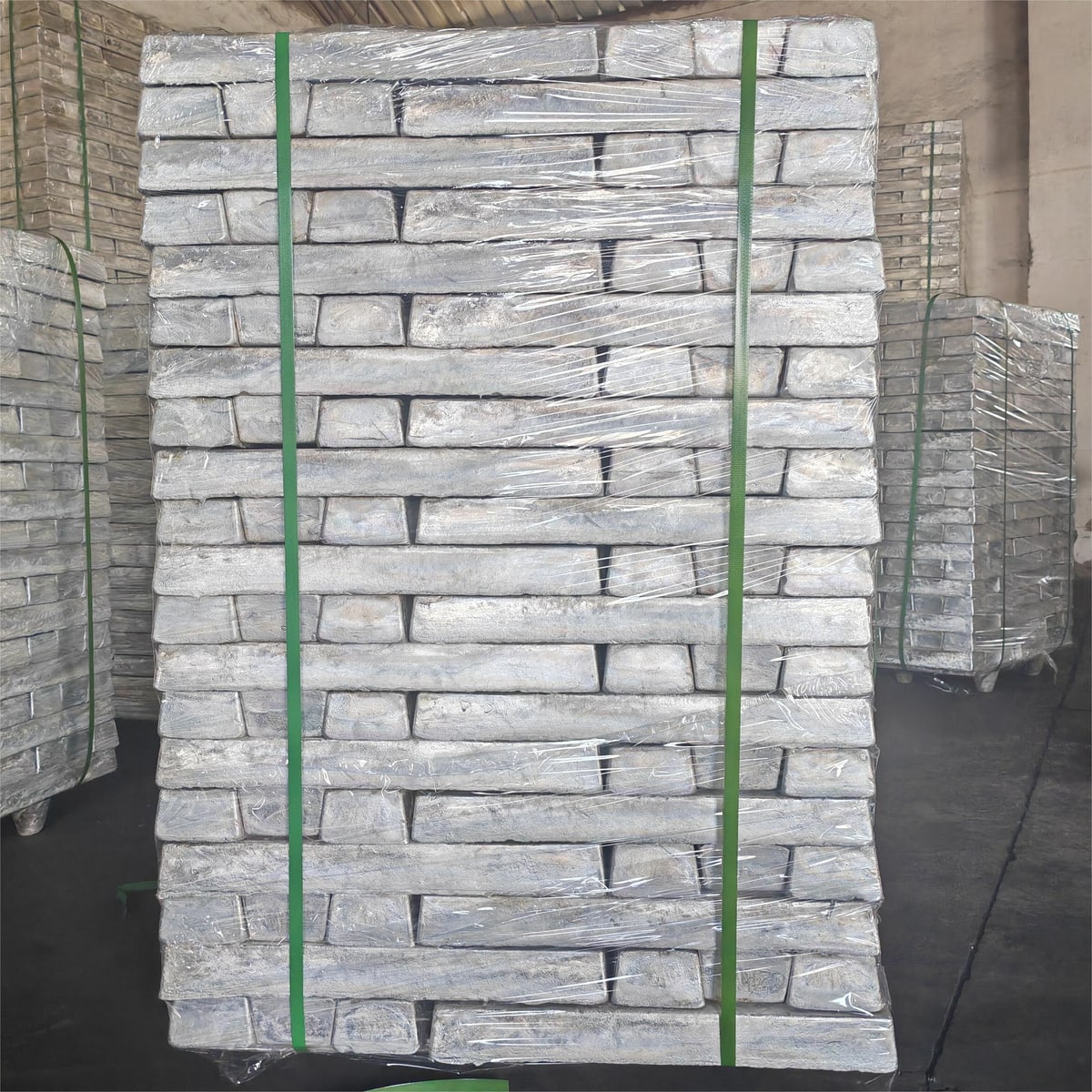
Mg99.95 and Mg99.90 identify different minimum magnesium levels, but a purchasing decision should not stop at the two grade names. The downstream alloy, process and impurity sensitivity determine which grade is appropriate.
What the grade names communicate
In Zhonghao’s catalog, Mg99.95 has a minimum magnesium content of 99.95%, while Mg99.90 has a minimum of 99.90%. The catalog also provides individual maximum values for elements such as manganese, aluminum, zinc, copper, nickel, iron, silicon, tin and calcium.
The difference between the two grades is therefore more detailed than 0.05 percentage points of magnesium. A buyer should compare every critical impurity field against the receiving specification.
Begin with the downstream process
For aluminum alloying, the target alloy recipe and the impurity balance of the full melt determine the acceptable primary magnesium grade. For magnesium-alloy or die-casting production, the finished alloy standard and melt practice guide the input-metal requirements. Steel desulfurization involves a different addition system and process qualification, so ingot grade alone may not define the usable form.
Compare the applicable documents
| Review item | Buyer action |
|---|---|
| Product grade | State Mg99.95 or Mg99.90 |
| Standard or customer specification | Provide the exact revision or limits |
| Individual impurities | Mark the elements critical to the process |
| Ingot format | Confirm dimensions, weight tolerance and bundle arrangement |
| Inspection | Define sampling, laboratory and COA fields |
The Zhonghao reference ingot is approximately 54 × 13 × 8 cm and 7.5 kg per ingot. These dimensions and weight are approximate and remain subject to order confirmation.
Avoid three common mistakes
First, do not accept a grade name without a complete composition table. Second, do not assume that all standards use identical grade labels or limits. Third, do not separate chemistry from packaging and inspection: oxidation, contamination, bundle condition and lot traceability can matter to receiving operations.
RFQ information
Send the application, target alloy or process, required grade, critical impurity limits, quantity, destination, packing, COA fields and inspection requirements. This allows the supplier to review the product and the order scope together.
Catalog values are procurement references. Final composition, ingot format, packing, inspection and commercial terms must be confirmed in writing.
Sources used for this article
- Zhonghao formal product catalogue, page 4, Magnesium grade composition
- Standard background: GB/T 3499-2023 primary magnesium ingot overview, https://mp.weixin.qq.com/s/zw902YlxUdFSh8WCxcgrBA