
A good industrial-material inquiry gives the supplier enough detail to check whether the material fits and what the quotation needs to include. “Please send best price” usually leads to more questions or an offer built on assumptions.
1. Product and application
Name the material and explain where it will be used. For semi coke, identify ferroalloy, silicon metal, calcium carbide or another qualified process, plus furnace route and current carbon material. For magnesium ingots, state the target alloy, melt route or treatment system.
2. Specification
List measurable requirements rather than “high quality.” Include the applicable standard or customer specification and its revision. Mark the properties that are critical to acceptance.
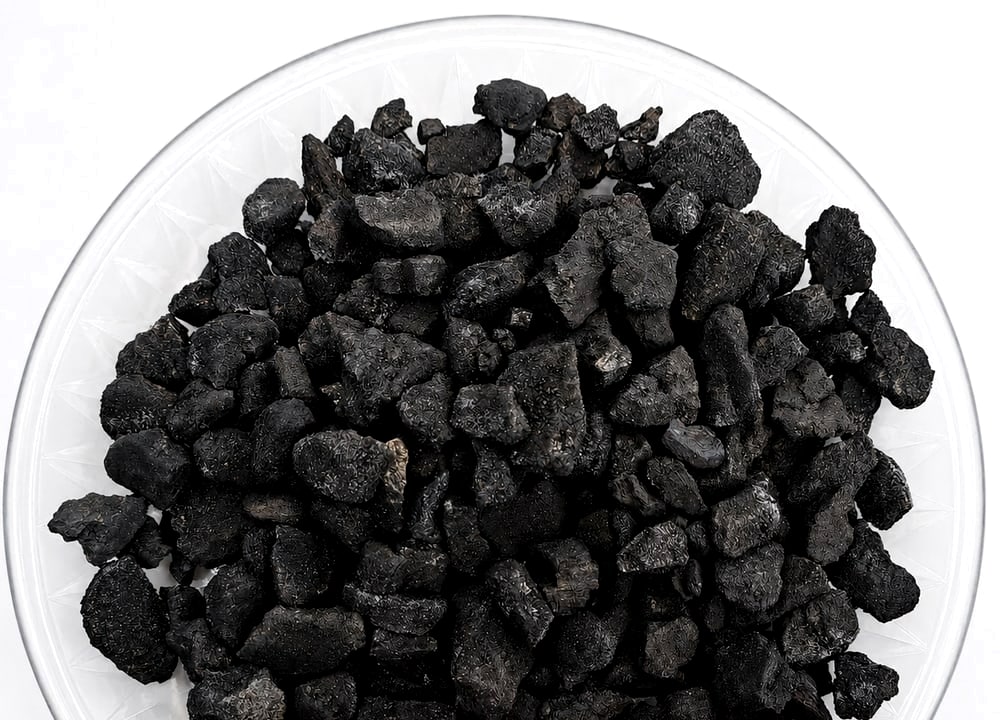
Semi coke RFQs commonly address fixed carbon, volatile matter, moisture, sulfur, phosphorus, ash, size, fines and oversize. Magnesium ingot RFQs should identify Mg99.95 or Mg99.90 and the required individual impurity limits.
3. Quantity and schedule
Separate trial quantity from recurring demand. State the requested shipment period, but do not assume availability or lead time until the supplier confirms the order scope.
4. Packing and handling
Specify bag, bundle, pallet, net-weight, marking and loading requirements. Include unloading constraints or destination rules that may affect the packing plan.
5. Destination and trade terms
Provide the country, destination port or delivery location and preferred Incoterm. State whether the inquiry requires an ocean-freight quotation or another logistics scope. Include the required quotation currency and payment-term request.
6. Inspection and documents
List the COA fields, sampling method, third-party inspection requirement and any retained-sample or retest procedure. Identify the commercial and shipping documents required by the buyer or destination.
7. Contact and decision process
Provide the company name, contact person, business email and an appropriate phone or messaging contact. If technical and purchasing approvals are handled by different people, identify both roles.
Copyable RFQ structure
| Field | Buyer input |
|---|---|
| Product and application | |
| Specification/standard | |
| Size or grade | |
| Trial and order quantity | |
| Packing and markings | |
| Destination and Incoterm | |
| Inspection and documents | |
| Requested shipment period | |
| Company and contact |
The supplier should then confirm what can be offered, what remains subject to technical review and which terms require order confirmation. This creates a comparable quotation and a clearer path from inquiry to sample, trial or contract.
Sources used for this article
- Zhonghao product catalogue and buyer inquiry records
- Zhonghao practical notes for industrial buyers