
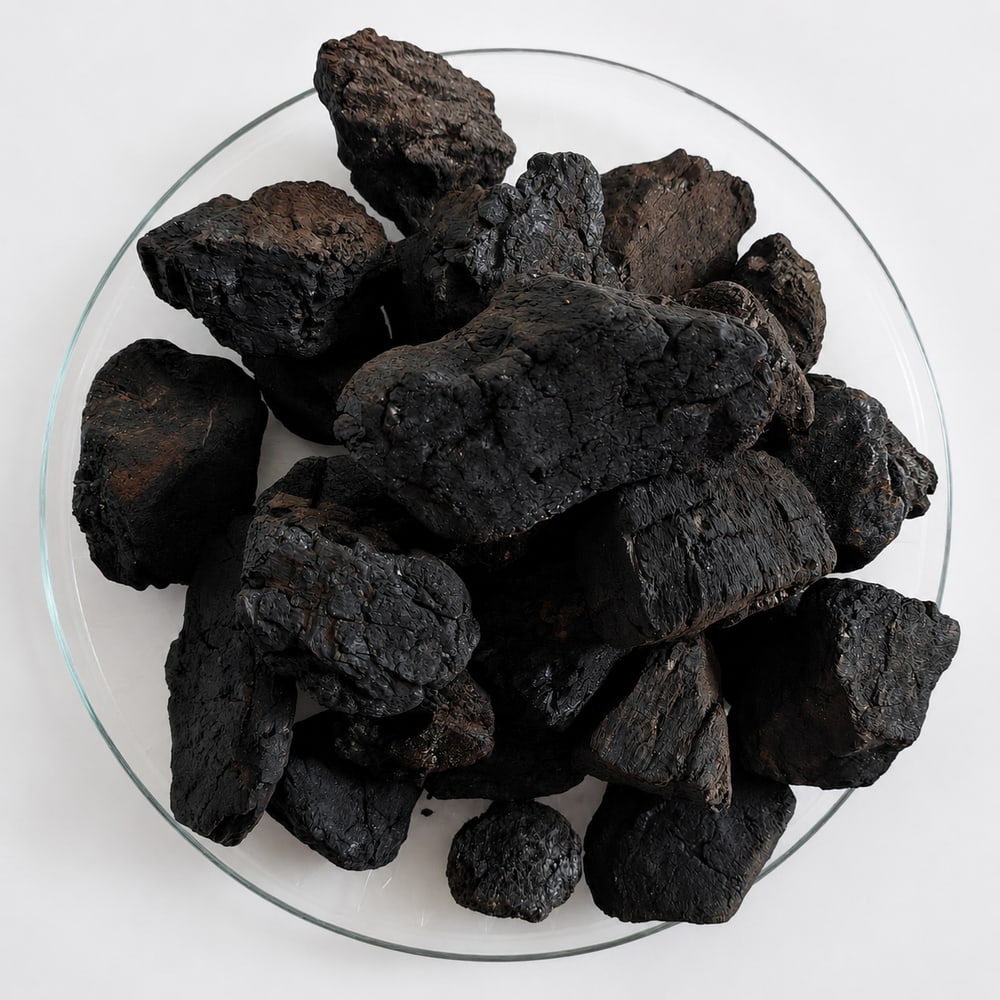
Semi coke properties are influenced by both the selected feed coal and the way the material is carbonized, quenched, screened and stored. Buyers do not need to manage the producer’s process, but understanding these links helps them ask better questions about consistency.
Feed coal sets the starting chemistry
Mineral matter, sulfur, phosphorus, moisture and volatile components in the coal create the starting boundary for the final carbon material. Carbonization changes the material, but it does not make every feedstock equivalent. Variability in feed selection can appear as variability in ash, fixed carbon or other properties.
Carbonization affects the final structure
Temperature profile, residence time, heating method and gas flow can influence volatile release and the physical structure of the product. These conditions may affect strength, porosity and application-specific behavior. Buyers should avoid assuming that two materials with the same fixed-carbon value will perform identically in every furnace.
Quenching and handling matter after the kiln
Cooling method can influence moisture and subsequent handling. Screening determines the marketed size fraction, while repeated transfers can generate fines. Storage and weather protection may also affect the condition received by the customer.
What the buyer can verify
The purchase decision should be based on finished-product evidence rather than an unsupported process story. Useful controls include:
- A written product specification with test basis
- Lot-linked COAs and traceable samples
- Particle-size distribution and fines limits
- Defined moisture inspection point
- Retained samples or third-party inspection where required
- Trial results from the buyer’s own qualified process
Ask about consistency without demanding confidential process data
Buyers can ask how lots are identified, how samples are taken, which properties are routinely tested and how changes are controlled. A supplier can explain its quality-control approach without disclosing confidential production details.
Raw coal and processing knowledge explains why consistency must be measured. The commercial safeguard remains a clear specification, representative sampling and an agreed response when a shipment does not meet the order.
Sources used for this article
- Industry background: 外热式低阶煤热解与兰炭特性, https://mp.weixin.qq.com/s/bQ3yO5GHpmZ2v1bGfxEzNA
- Industry background: 煤灰成分及应用, https://mp.weixin.qq.com/s/o-Ic2tNQiznq9-gpsBtRng