
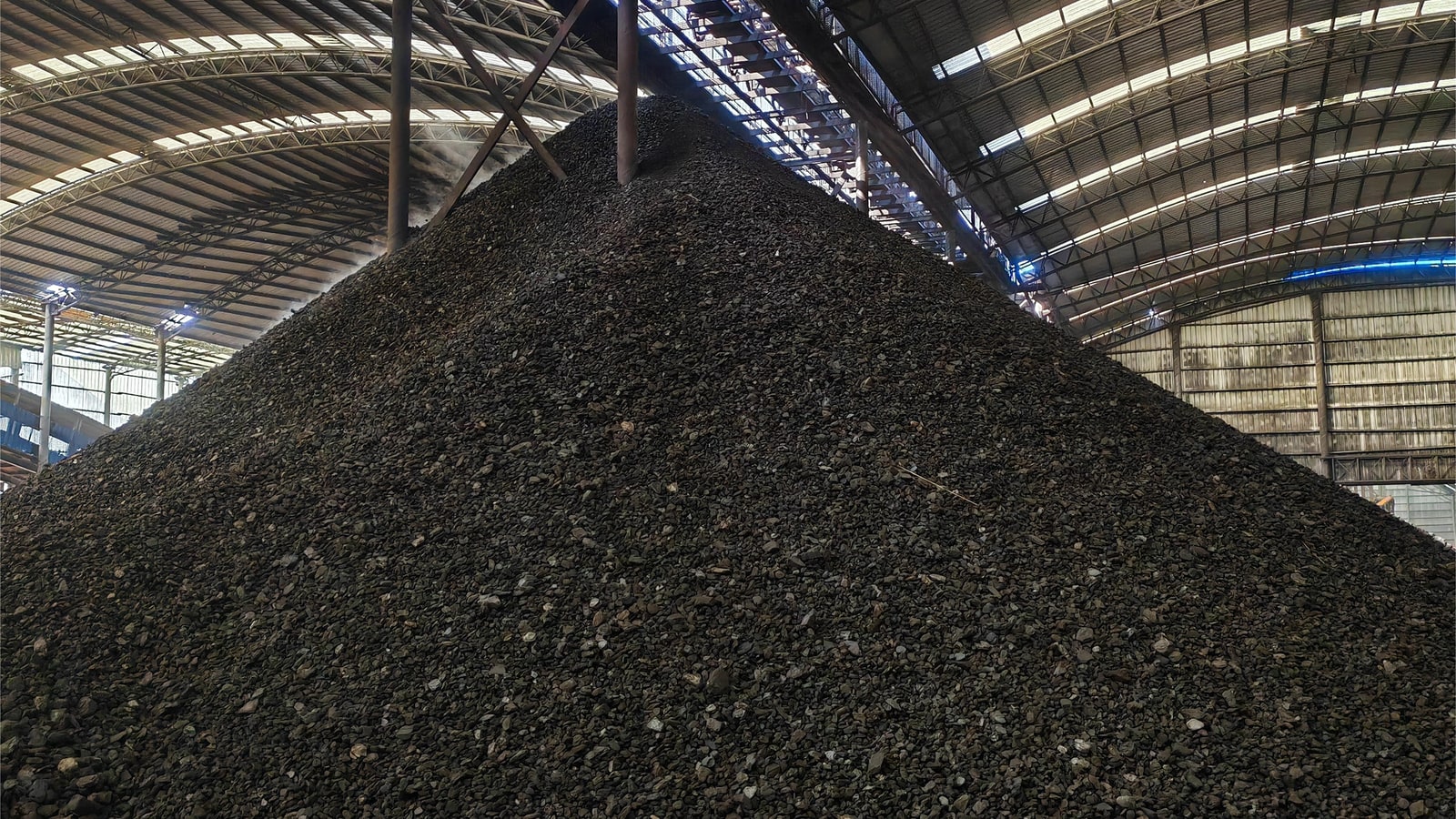
Semi coke purchasing should begin with the process in which the material will be used. A quotation can look attractive while still being difficult to compare if the supplier and buyer are using different assumptions for moisture, particle size, sampling or packing.
1. Define the application first
Tell the supplier whether the material is intended for ferroalloy production, silicon metal smelting, calcium carbide production or another qualified process. Add the furnace type, burden practice and the role expected from the carbon material. This context helps both sides decide which chemical and physical properties require the closest review.
2. Put the catalog indicators on one comparison sheet
The Zhonghao catalog reference for semi coke contains seven purchasing fields:
| Indicator | Catalog reference |
|---|---|
| Fixed Carbon | ≥84% |
| Volatile Matter | 5–7% |
| Moisture | 15–18% |
| Sulfur | ≤0.3% |
| Phosphorus | ≤0.008% |
| Ash | ≤8% |
| Particle size | 75–35 / 35–18 / 18–8 / <6 mm |
These figures are a starting point, not a substitute for an agreed order specification. A comparison should also identify the test method, basis of reporting and permitted tolerance. For example, an as-received moisture result should not be compared with a dry-basis value without adjustment.
3. Treat size distribution as more than a label
“Standard size” is not a measurable requirement. State the preferred range and ask how fines and oversize are determined. Particle size affects handling, burden permeability and the usable quantity received after transport. If breakage is commercially important, agree where the size is measured: before loading, at dispatch or at destination.
4. Align inspection and documents
A useful purchase specification states who samples, how the sample is reduced, which laboratory performs the test and how an out-of-specification result is handled. Ask for the COA fields needed by your quality team. If third-party inspection is required, name the inspection scope before quotation so that cost and timing can be evaluated.
5. Compare the complete delivered scope
Include quantity, packing, destination, Incoterm, requested shipment window, markings and documents in the RFQ. A low material price can be misleading when the offers use different moisture assumptions, bag weights, loading arrangements or inspection scopes.
RFQ checklist
- Application, furnace route and target result
- Required chemistry and reporting basis
- Particle-size range, fines and oversize limits
- Trial quantity and expected order quantity
- Packing, markings and loading requirements
- Destination port and Incoterm
- COA, sampling and third-party inspection requirements
Final specifications, packing, inspection, commercial terms and shipment arrangements should always be confirmed in the order.
Sources used for this article
- Zhonghao formal product catalogue, page 1, Semi Coke technical index
- Industry background: 兰炭的十种用途, https://mp.weixin.qq.com/s/rYMF9izk0SeW8bHDY_3S_Q