
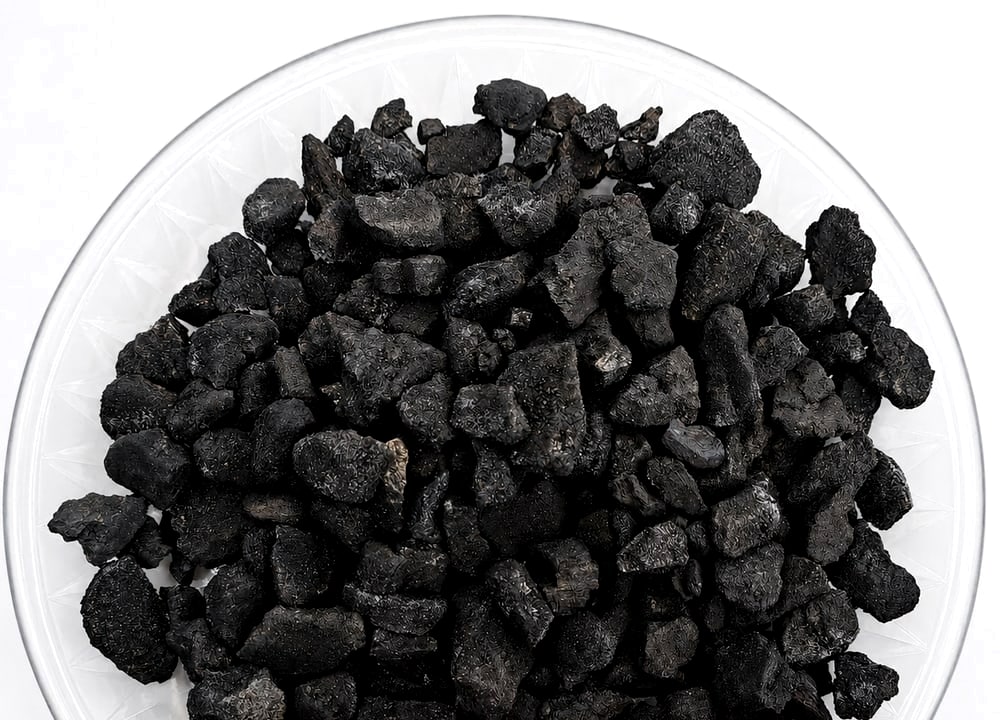
Quenching cools hot carbonized material so it can be handled and processed. Buyers may hear “dry quenched” or “wet quenched” used as a quality shortcut, but the route alone does not define the delivered specification.
Wet quenching: the purchasing questions
Water-based cooling can produce a material with higher or more variable moisture depending on equipment, drainage, weather protection and the time between quenching and shipment. The buyer should ask where moisture is measured and whether the quoted result represents production, loading or another point.
Dry quenching: the purchasing questions
A dry cooling route may reduce direct water addition, but the final material still requires verification. Storage conditions, ambient exposure, screening and transport can influence the shipment received. “Dry” should not be treated as a guarantee of a specific moisture value unless that value and inspection basis are written into the order.
Compare evidence, not labels
| Review item | Buyer question |
|---|---|
| Moisture | On what basis and at which location is it measured? |
| Size distribution | How are fines and oversize controlled after cooling? |
| Chemistry | Is the COA linked to the shipment lot? |
| Handling | How is the product stored and protected before loading? |
| Inspection | Can sampling or third-party checks be arranged? |
Connect quenching to the application
Moisture influences received weight, handling and material entering the process. Particle degradation or fines may influence burden permeability. The importance of each effect depends on the furnace route and material-handling system, so the buyer should set application-specific limits.
Contract the measurable outcome
If moisture at loading is the commercial basis, say so. If destination moisture is used, define the sampling and dispute procedure. The same principle applies to fines, oversize and other properties.
Dry and wet quenching describe process routes. A defensible purchase decision still depends on a lot-linked COA, representative sampling, an agreed product specification and the buyer’s own process qualification.
Sources used for this article
- Industry background: 兰炭干熄焦与湿法熄焦工艺, https://mp.weixin.qq.com/s/UCyvWoLvNmzho5HbIbIxBg
- Zhonghao formal product catalogue, page 1, Semi Coke technical index