
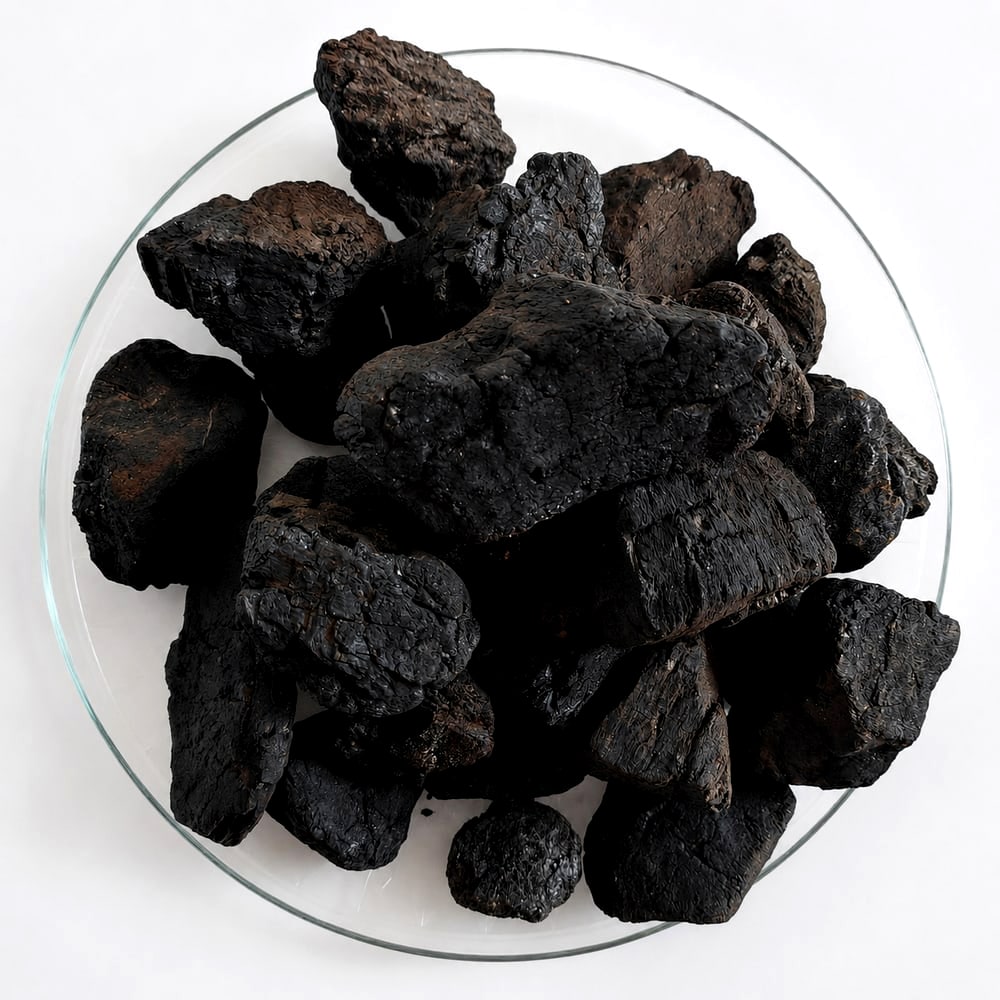
Semi coke is discussed in several industrial value chains, but the word “use” should not be confused with automatic process suitability. Each operation has its own furnace design, material balance, emissions controls and quality requirements.
Metallurgical reduction applications
Ferroalloy production is one of the principal areas in which buyers may evaluate semi coke as a carbon reductant. The review can include fixed carbon, ash, sulfur, phosphorus, particle size, reactivity and electrical behavior. The alloy type and furnace practice determine the acceptance criteria.
Silicon metal smelting places particular emphasis on impurity control, burden permeability and application-specific physical behavior. Total ash may need to be supplemented by ash-composition data.
Calcium carbide production requires alignment with the lime and carbon burden, furnace practice and size distribution. Moisture, fines and material handling are important commercial as well as technical variables.
Fuel and gas-related references
Industry literature also describes semi coke in selected heating, gasification and blended-fuel contexts. These uses can involve very different requirements from metallurgical material. Local regulations, equipment design, emissions systems and safety procedures must be evaluated by the operator. Zhonghao’s current public product path focuses on industrial procurement for the three application areas above and does not make a universal suitability claim.
Carbon-material preparation and blending
Some users evaluate screened fractions, blends or further processed carbon materials for specific operations. A small particle fraction that is unsuitable for one furnace route may have value in another qualified process. This does not remove the need for chemical analysis, dust control, handling assessment and customer trials.
Why application pages should remain separate
| Application | Typical first questions |
|---|---|
| Ferroalloy production | Alloy, furnace, impurities, reactivity, size |
| Silicon metal smelting | Product grade, ash chemistry, resistivity, burden fit |
| Calcium carbide production | Carbon, ash, moisture, size and fines |
| Other qualified uses | Equipment, regulation, safety and test requirements |
The same catalog specification can be interpreted differently by different plants. Buyers should use the application name as the start of a technical discussion, then define the specific tests, trial plan and order terms required for their process.
Sources used for this article
- Industry background: 兰炭的十种用途, https://mp.weixin.qq.com/s/rYMF9izk0SeW8bHDY_3S_Q
- Zhonghao formal product catalogue, page 1, Semi Coke technical index