
Magnesium alloys attract automotive interest because designers seek lower mass, integrated parts and efficient manufacturing. But density alone does not decide a purchase. The component design, alloy, production process and approval requirements all need to work together.
Applications begin with component requirements
Industry development has explored magnesium alloys for structural housings, brackets, seat-related parts, steering components, closures and other engineered applications. The suitable alloy and forming route depend on stiffness, strength, corrosion protection, joining, temperature, crash performance and cost targets.
Primary magnesium is an upstream input
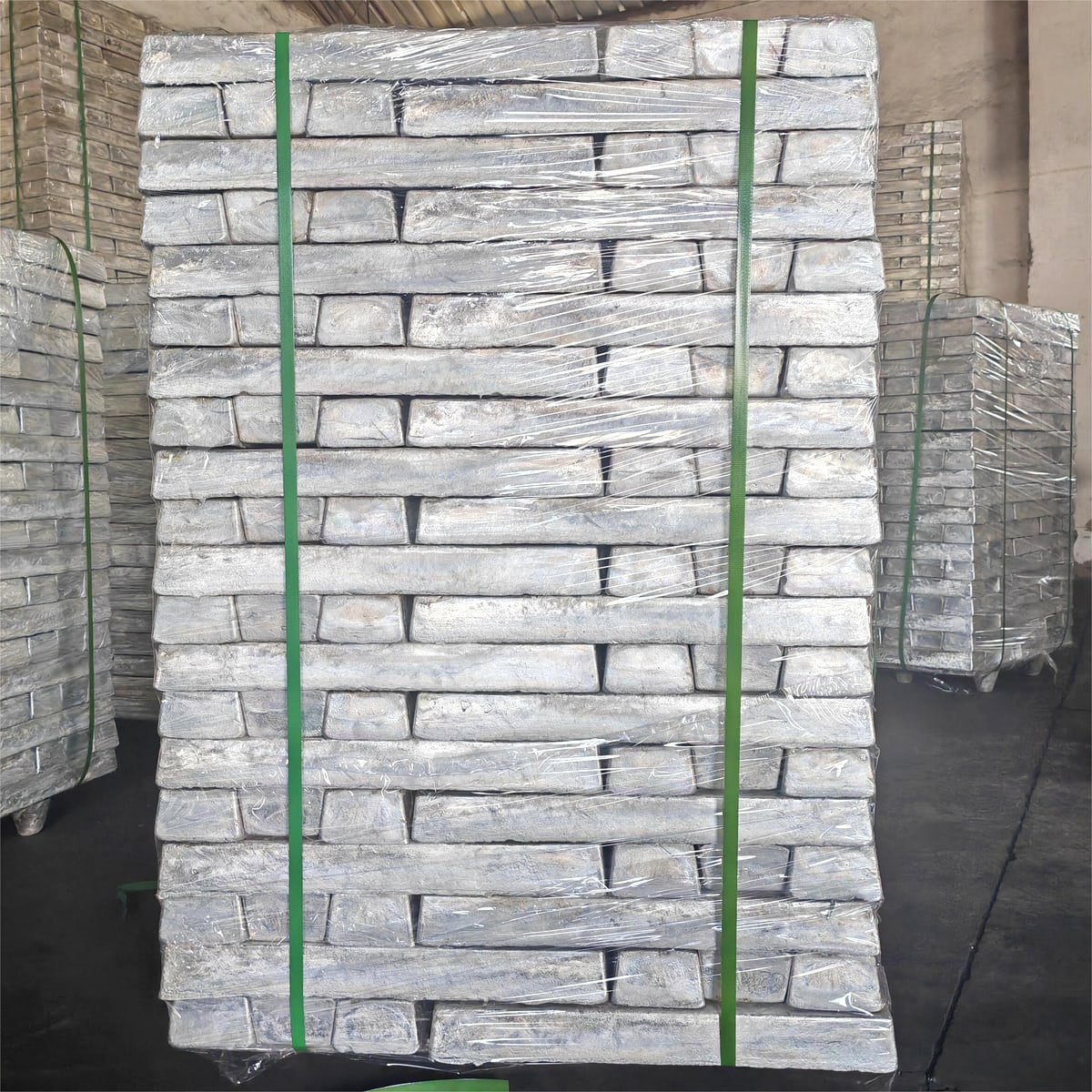
An automotive component is normally produced from a qualified magnesium alloy. Primary Mg99.95 or Mg99.90 ingots may enter an alloy-production route, but they are not a finished automotive material. The alloy producer must control all additions, impurities, melt practice and final alloy certification.
Die casting changes the procurement discussion
Large or integrated die-cast components require stable alloy chemistry, process control, tooling and quality assurance. A primary-metal buyer should define the finished alloy, critical impurities, lot traceability and recurring supply documentation. The component manufacturer will then apply its own material and process approval.
Evidence required in an automotive supply chain
- Applicable alloy and component specifications
- Lot-linked COA and traceability
- Change-control expectations
- Packaging and contamination prevention
- Incoming inspection and retained-sample rules
- Trial, validation and production approval records
Avoid unsupported sustainability claims
Lightweighting may influence vehicle efficiency, but the real result depends on component design, manufacturing energy, service life and end-of-life pathways. Suppliers should not claim a guaranteed vehicle-level environmental benefit from primary magnesium alone.
For primary magnesium sourcing, the practical starting point is the alloy producer’s input specification. Send the target alloy, required grade, impurity limits, quantity, packing, destination and quality-document requirements.
Sources used for this article
- Industry background: 盘点镁在新能源汽车轻量化领域的应用场景, https://mp.weixin.qq.com/s?__biz=MjM5OTk4ODUwMQ==&mid=2659726384&idx=1&sn=f3708f11d78419d8d05a1f73af96860c
- Industry background: 汽车用镁合金分类及应用前景, https://mp.weixin.qq.com/s/KkuVY4terR5Dkr2TQLVX0A